Enterprise Design System
Governance models, evaluation frameworks, and naming architecture — shipped inside Microsoft Fabric to make AI-assisted data engineering trustworthy at scale.
Terminology Governance Systems
Microsoft Fabric Data EngineeringCanonical language for Lakehouse, Materialized Views, Monitoring, and agentic AI experiences. The naming layer that AI grounding depends on.
AI-First Design Review
FrameworkGovernance model making AI influence explicit in design reviews. Pitched to leadership as a funded pilot.
Content + AI Operating Model
Explore → Iterate → Scale3-layer system producing reusable glossaries, evaluation rubrics, and onboarding templates across four product areas.
Clarity Delta
Evaluation MetricScoring AI output on terminology accuracy, grounding fidelity, and task completion.
Promptcraft
Workshop Chosen for Microsoft Design Week 2025Prompt engineering workshop teaching designers to get better AI output.
VibeHub
Co-led a platform for democratizing UX engineering.
Deaf-Led Sign Language Experiences
3× Hackathon Executive Award Ability Executive Challenge Winner3 workstreams advancing accessible sign language technology.
Open Source Systems
Independent builds applying the same systems-design thinking — semantic layers, evaluation loops, and agent orchestration — outside the enterprise walls.
Semantic Metrics Modeling Assistant
MCP Agent · Semantic Layer DesignBuilt an MCP agent with a weighted trust-scoring model and lineage visualization over a governed schema, backed by 35+ tests at 90%+ coverage.
Demonstrates: Harness Engineering · AI Evaluation Systems · Semantic Layer Design
View on GitHub →AI-Assisted Insights Agent
MCP Agent · Context ArchitectureGrounded NL-to-SQL translation in a governed semantic layer so every answer ships with its query and data-quality caveats.
Demonstrates: Context Architecture · Decision Traceability · Responsible AI
View on GitHub →Wedding Planning Agent
Systems Design · Semantic ModelingModeled vendors and budget as structured entities with real-time dependency mapping and a fit-score that shows its reasoning.
Demonstrates: Semantic Layer Design · Decision Traceability · Intent Engineering
View on GitHub →AI Content Design Handbook
Framework · GovernanceBuilt a reusable framework of testing methods, bias-detection guides, and transparency templates.
Demonstrates: Acceptance Criteria Design · Responsible AI · Knowledge Systems Design
View on GitHub →Case Studies
Full-length projects in information architecture, taxonomy & ontology, agent orchestration, and responsible AI — the research, trade-offs, and measurable outcomes behind each system.
 Data Infrastructure
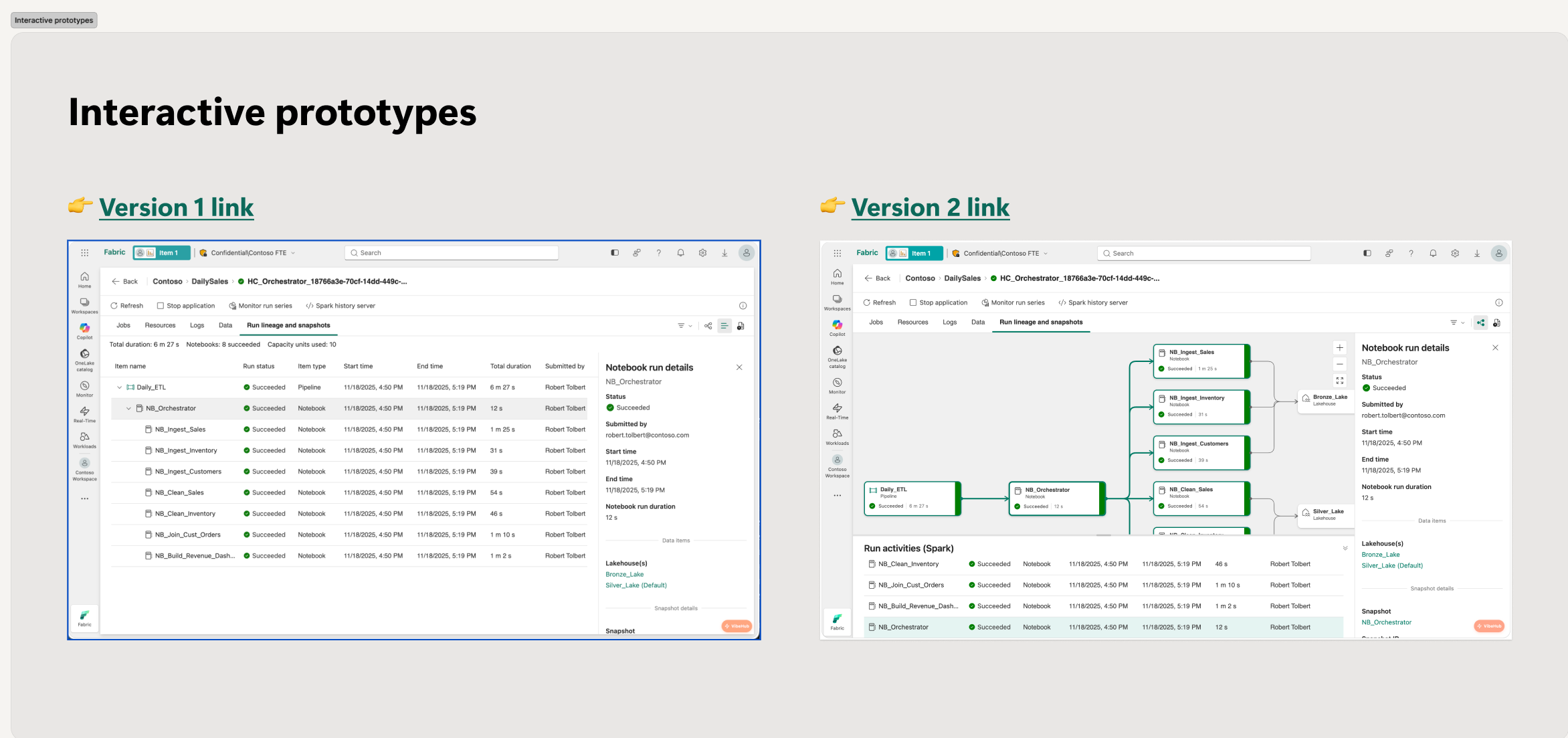
Notebook Dependencies and Monitoring IA
Project: Redesigned information architecture and status taxonomy for notebook monitoring surfaces.
Outcome: Created a dependency lineage model covering 9 runtime scenarios.
Impact: Made dependency status scannable during live incident response.
 AI Systems
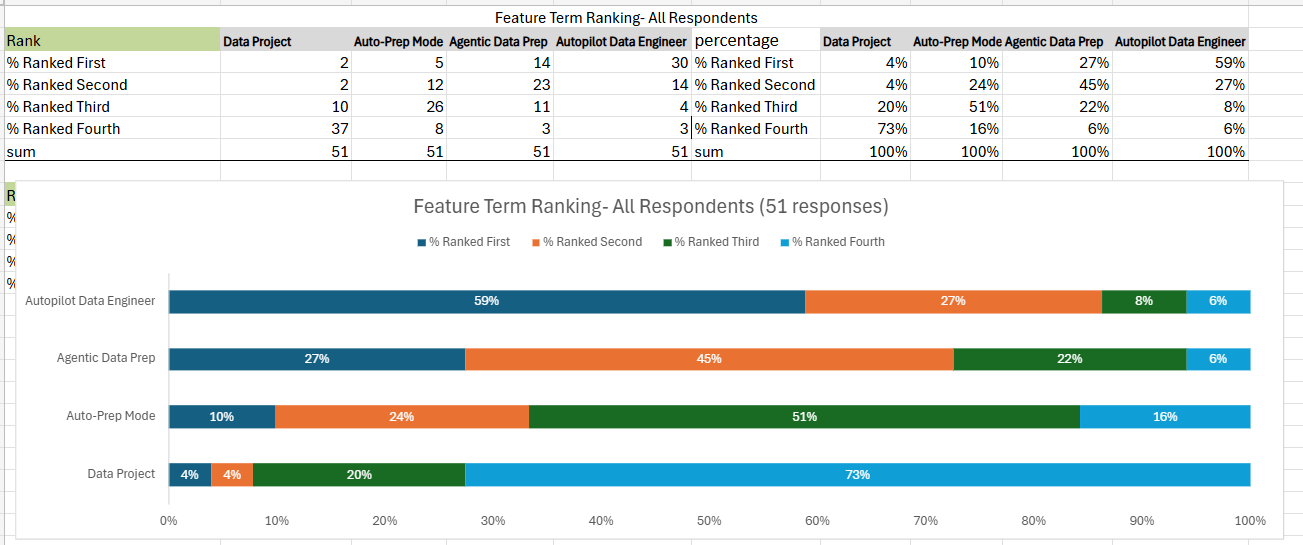
Data Agents Naming and Terminology System
Project: Named an autonomous AI product across a cross-functional team with competing preferences.
Outcome: Scored 60+ candidates against a structured constraint framework, validated by survey with 51 respondents.
Impact: Moved the team from deadlock to decision with evidence, not opinions.
 Governance
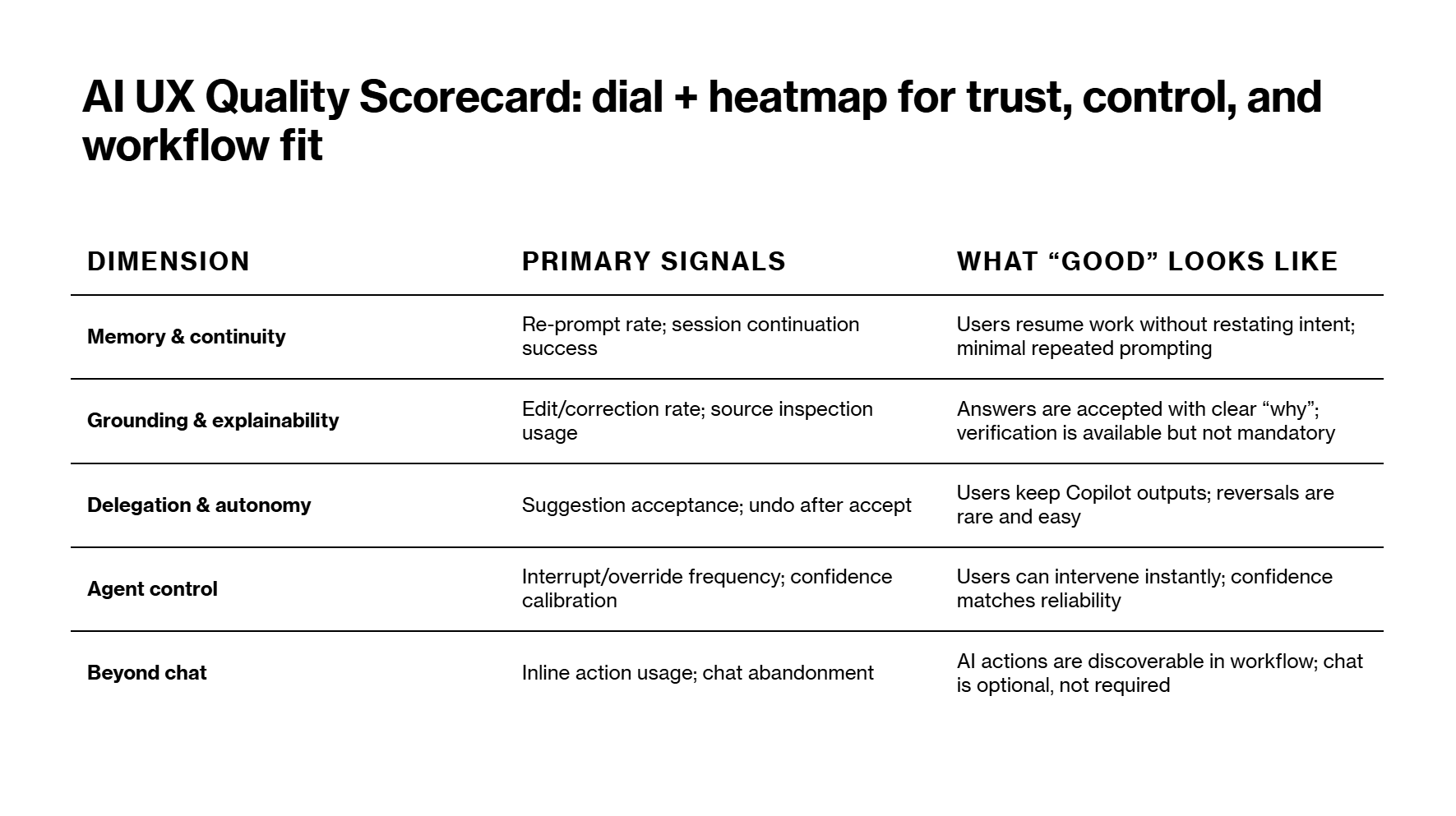
AI-First Content Governance
Project: Built system-level content patterns and governance structures for AI-assisted authoring at scale.
Outcome: Established a repeatable quality framework across 24+ languages.
Impact: Cut review cycle time and extended terminology governance across the full localization pipeline.
 Agent Systems
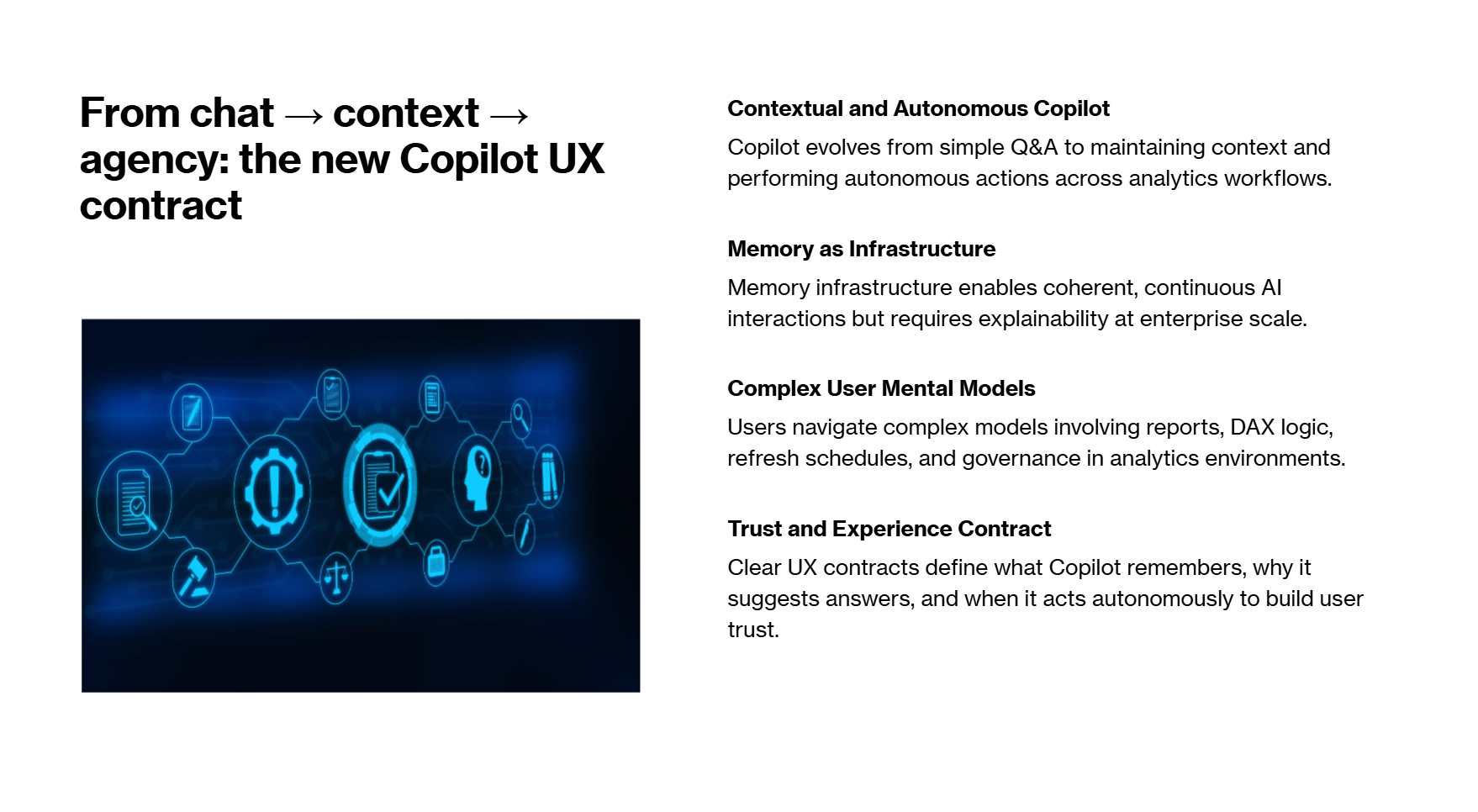
Multi-Agent Orchestration System
Project: Designed and deployed a production agent orchestration system for career strategy and content design workflows.
Outcome: 8 specialized agents with custom skills, memory, and workflow automation across 320+ versioned files.
Impact: Turned a manual, scattered process into a repeatable, version-controlled operating system.
Downloadable Samples
📄 Resume / CV
Full professional resume with experience, education, and certifications.
View resume → Download PDF ↓